The Mamoni River Valley Jaguar Project
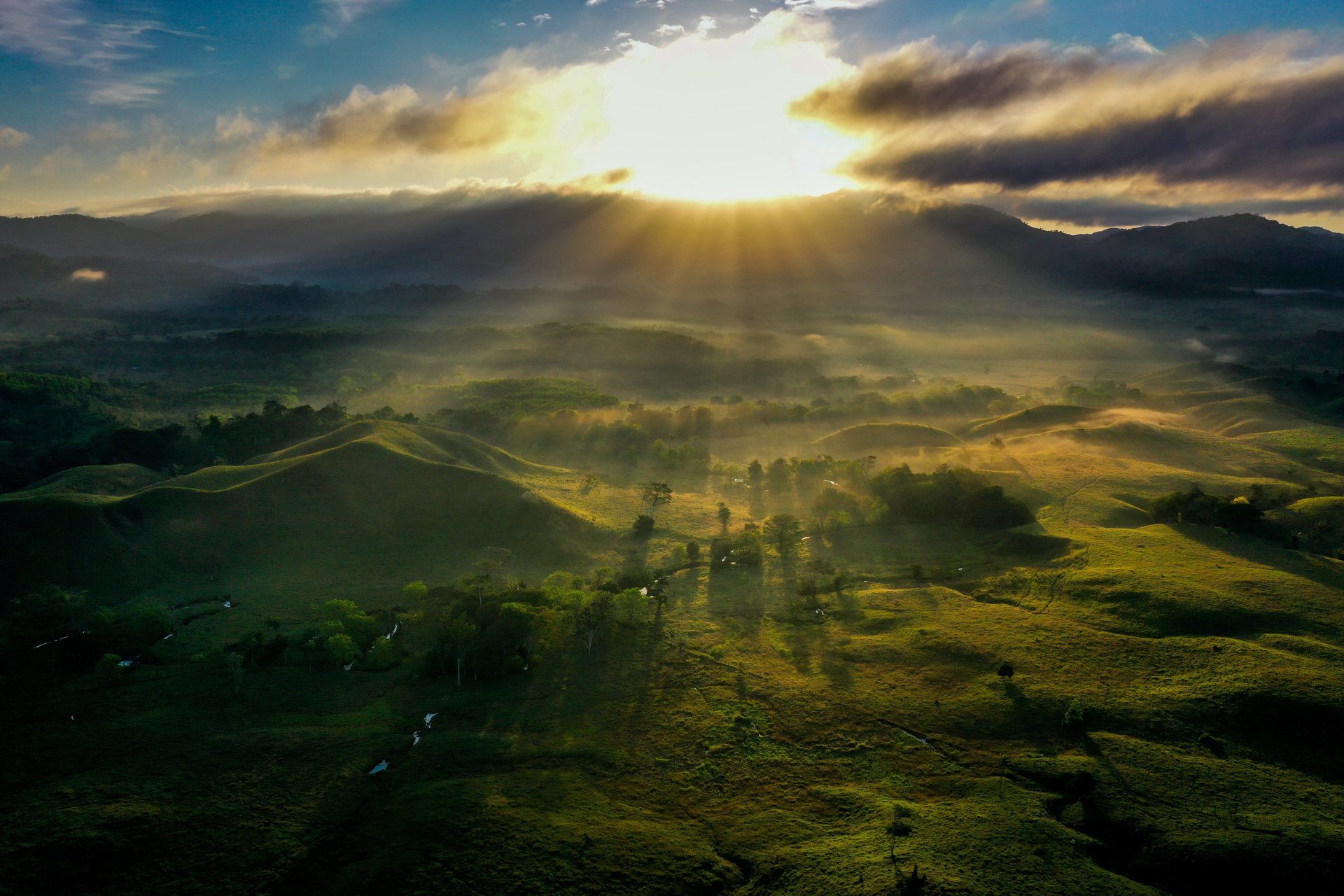
The Mamoni River Valley Jaguar Project is an innovative conservation initiative focused on understanding and protecting jaguar populations in the Mamoni River Valley (MRV) of Panama. The MRV acts as a guardian for one of the last extensive stretches of contiguous rainforest in Panama, recognized for its remarkable biodiversity. The geographical position of the MRV creates a buffer zone that protects the eastern border of Chagres National Park and the southwestern border of the Nargana Protected Wildlands, playing a crucial role in the conservation of both plant and animal life. The Upper Mamoni River Valley Watershed covers approximately 11,700 hectares and includes private stakeholders, ranchers, and the Mamoni Valley Preserve, which is a large private landholding encompassing about 5,000 hectares.
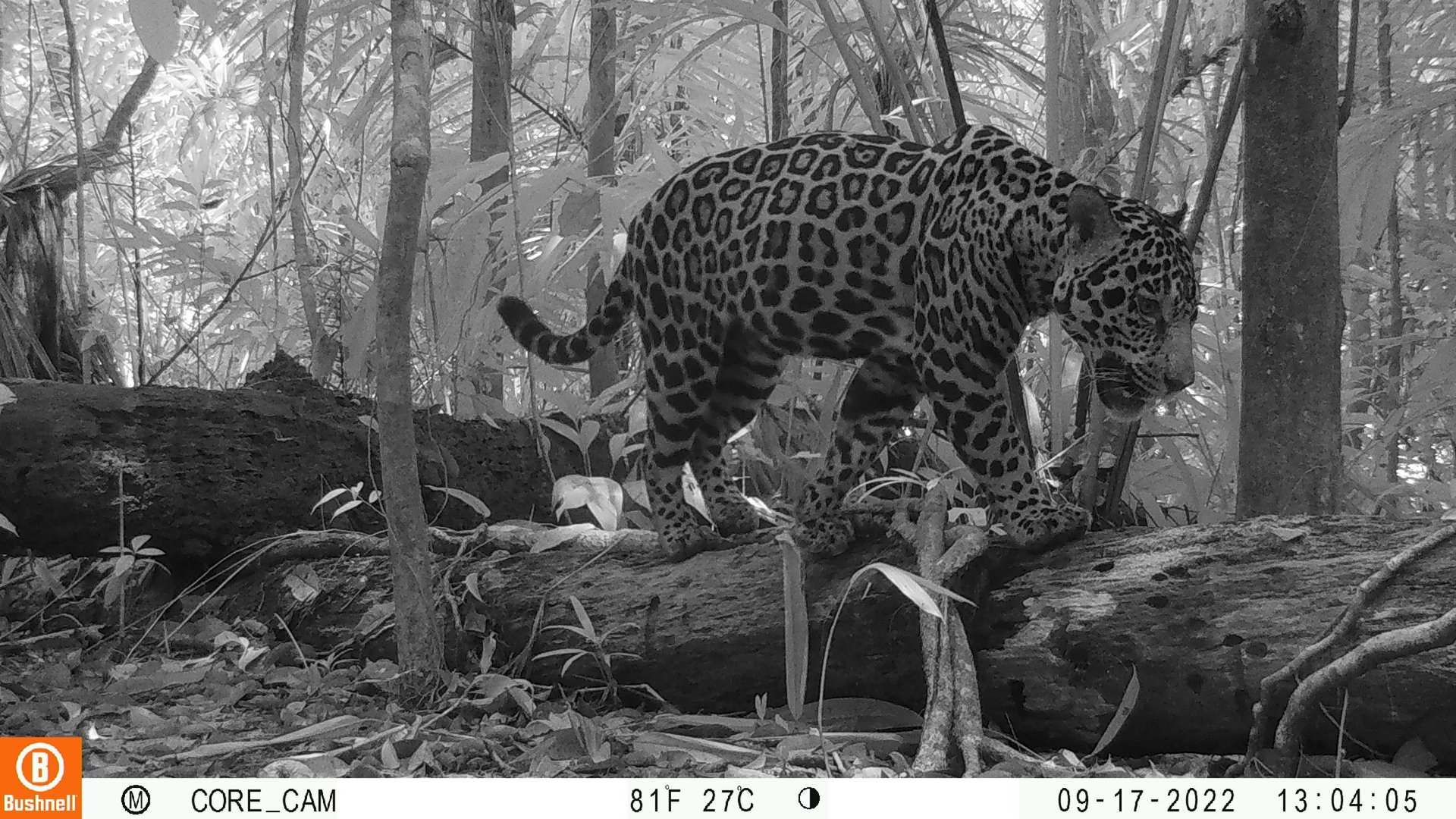
Utilizing camera trap technology, the project aims to monitor and gather critical data on jaguar movement, behavior, and distribution within this vital ecosystem. By strategically placing camera traps across various landscapes within the valley, Kaminando captures images of jaguars as they traverse the region. This method provides invaluable insights into their movement patterns and interactions with other wildlife or domestic animals. One of the main objectives of the project is to assess how habitat fragmentation and human activities, such as deforestation and agriculture, impact jaguar movements and their availability of prey. Understanding these dynamics is essential for developing effective conservation strategies that not only protect jaguars but also promote coexistence with local communities.
The camera traps also serve to foster community engagement and awareness. By sharing the images and findings with local landowners and the broader public, the project highlights the importance of jaguars in maintaining ecological balance. This awareness helps to shift perceptions of jaguars from threats to valuable contributors to biodiversity and ecosystem services. Through ongoing research and community involvement, the project aims to create a sustainable future for jaguars and ensure their continued role in the region.