The Nargana Wildlands Project
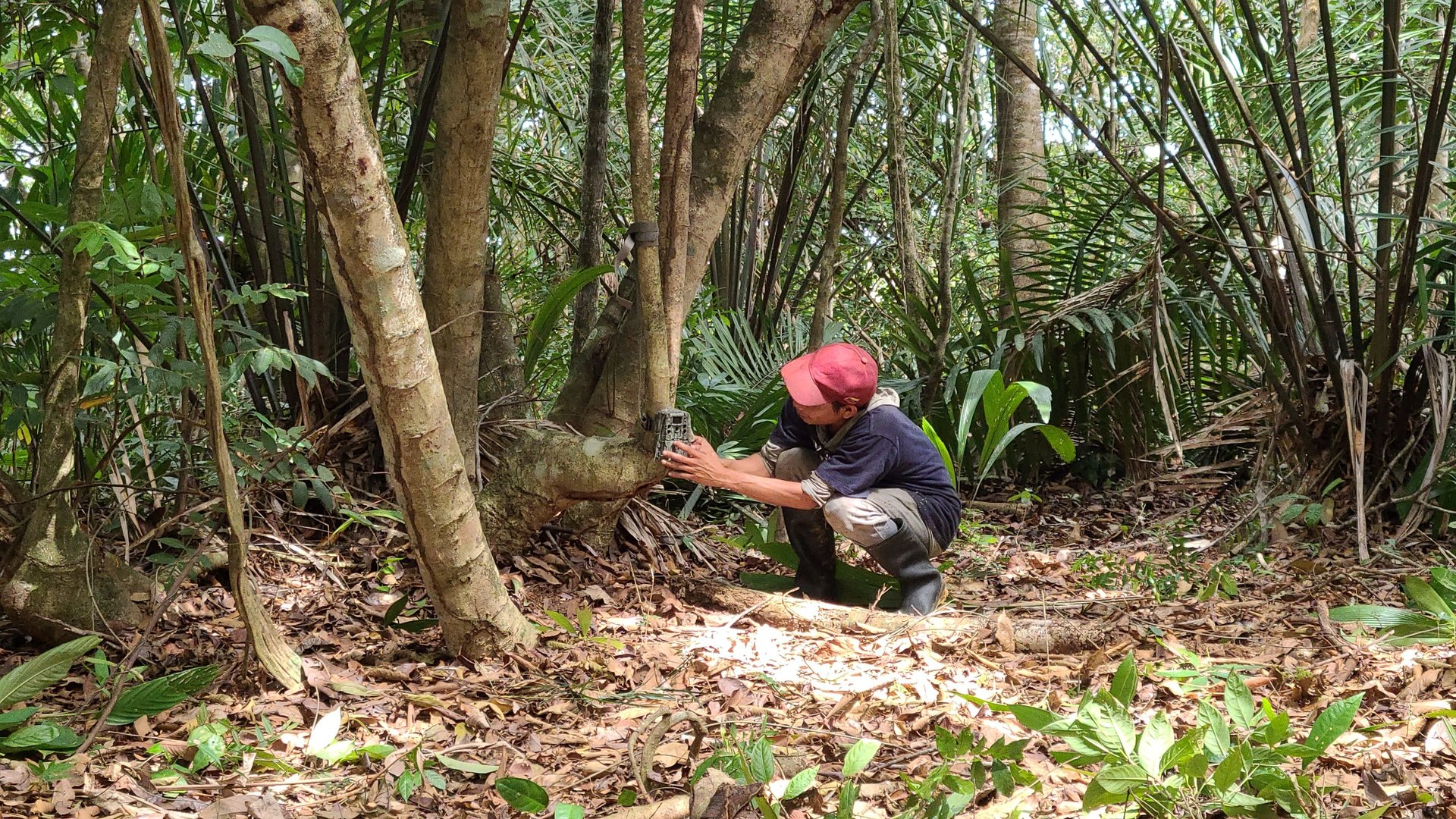
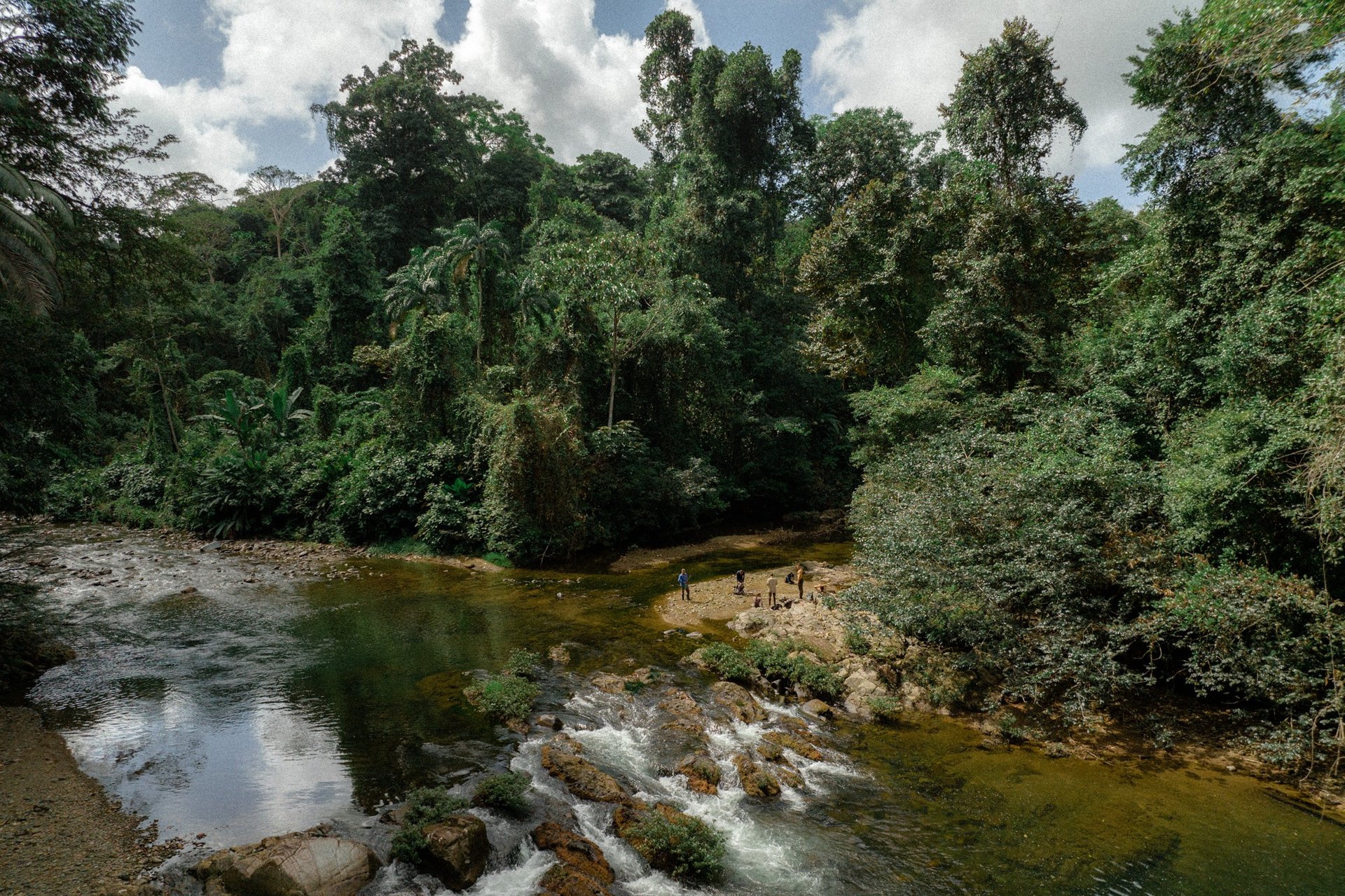
For nine years, Kaminando has been conducting a long-term monitoring project in the Nargana Wildlands, situated within the Indigenous Guna Yala Territory in eastern Panama. Our project utilizes camera traps to study the felid guild, with a focus on the jaguar (Panthera onca) as an apex predator, as well as its potential prey species, such as the endangered Baird's tapir (Tapirus bairdii) and the vulnerable white-lipped peccary (Tayassu pecari). The Guna Yala region holds a remarkable array of biodiversity, including endemic species. However, it faces significant threats from expanding infrastructure, including road construction, new settlements, agricultural expansion, and the impacts of climate change. These ecological stressors can lead to the overexploitation of prey species and pose serious threats to the jaguar population.
Maintaining habitat connectivity is crucial for preserving biological diversity. As our previous research has shown, the Indigenous Guna Yala Territory serves as a vital corridor for jaguar dispersal. Despite its importance, there has been a lack of knowledge regarding the jaguar population in the region. Our project seeks to fill the knowledge gap and strives to enhance the conservation capacity of the Guna people, and strengthen their environmental practices by integrating traditional ecological knowledge (TEK) with scientific methods. We build local capacity through training and skill development in wildlife survey techniques and monitoring. This empowers a new generation of local conservation leaders and promotes sustainable economic opportunities for the Guna community. We also provide conservation education for teachers and schoolchildren in Guna villages.
We believe that integrating TEK and Western science from an early age will help future generations make more informed decisions regarding wildlife conservation. Our bilingual (Kuna and Spanish) education initiative aims to raise students' awareness of current wildlife conservation issues, including climate change, deforestation, and human-wildlife conflict. Our objective is to better inform conservation management plans in the area.